Gentle homesteading doesn’t have to begin with acres of land, heirloom animals, or a perfectly stocked pantry. For many mothers, the quiet longing to live more simply shows up long before the resources do.
Gentle homesteading is about beginning exactly where you are—in an apartment, a rental, a suburban home, or a small farmhouse—using what you already have, in a way that supports your family rather than exhausting it.
This is homesteading without pressure. Without comparison. Without burnout.
If you’ve ever felt drawn to slower living but overwhelmed by the idea of “doing it all,” this guide is for you.
What Is Gentle Homesteading?
Gentle homesteading is a slow, realistic approach to traditional homesteading skills, adapted to modern family life and changing seasons.
Instead of striving for self-sufficiency all at once, gentle homesteading focuses on:
- Building skills gradually
- Choosing what supports your current capacity
- Letting rhythms grow organically
- Honoring motherhood, energy levels, and family needs
It’s less about doing more and more about doing a few meaningful things well.
What you dont need:
- Land
- Animals
- To grow everything from scratch
You simply need a willingness to begin.
Why “Start Where You Are” Matters
Many women delay homesteading because they believe they must wait for the “right” circumstances:
- More time
- More space
- More money
- Fewer children underfoot
- A different season of life
But gentle homesteading teaches us that waiting often leads to never starting at all.
Starting small allows you to:
- Learn without pressure
- Build confidence gradually
- Discover what actually fits your family
- Avoid the exhaustion that comes from overcommitting
The most sustainable homes are built slowly—layer by layer.
Gentle Homesteading in Small Spaces
You can practice gentle homesteading even if you live in a small apartment or rental.
Simple Ways to Begin Without Land
- Grow herbs on a windowsill or balcony
- Learn to bake bread once a week
- Make one homemade staple regularly
- Compost kitchen scraps (even with countertop systems)
- Preserve one seasonal food at a time
The goal is skill-building, not scale.
Small spaces encourage intention—and intention is the heart of gentle living.
Homesteading With Children Underfoot
Gentle homesteading is especially suited to mothers because it works with family life instead of against it.
Involve Children Naturally
- Let little hands stir dough or rinse vegetables
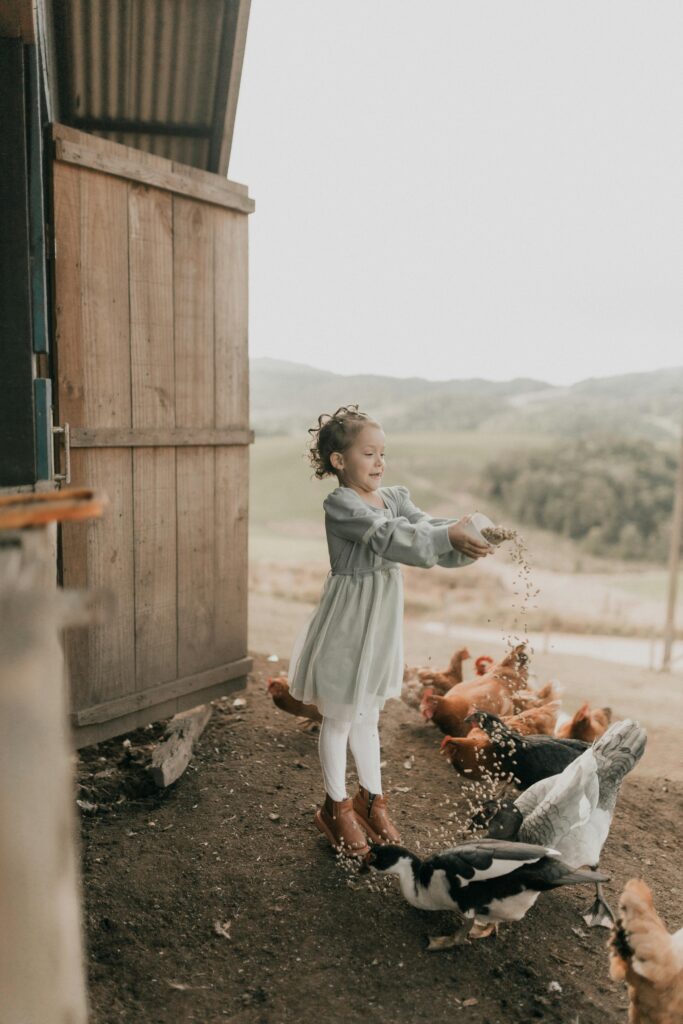
- Invite children to collect eggs or water plants
- Teach through observation instead of instruction
- Accept slower progress
Children don’t need perfection—they need presence.
When homesteading becomes part of your daily rhythm instead of a separate project, it feels lighter and more sustainable.
Choosing Skills That Fit Your Season
Not every skill belongs in every season
Gentle homesteading asks one essential question:
What supports our life right now?
Skills That Often Work Well in Busy Seasons
- Simple meal planning from scratch
- Freezer cooking basics
- One weekly baking rhythm
- Basic sewing or mending
- Seasonal decluttering
Skills That May Wait for Later Seasons
- Large gardens
- Livestock care
- Extensive preserving
- Daily from-scratch cooking
There is no prize for doing everything at once.
Building Rhythms Instead of To-Do Lists
Homesteading thrives on rhythm—not rigid schedules.
Instead of daily pressure, consider gentle weekly or seasonal anchors:
- Bread on Mondays
- Soup on Fridays
- One preserving project each season
- Monthly home reset days
Rhythms create predictability without overwhelm, allowing homesteading to feel peaceful instead of demanding.
Gentle Homesteading and the Calm Home
A calm home supports slow living. Clutter and overcommitment often sabotage the very lifestyle we long for.
Simplifying to Support Homesteading
- Fewer kitchen tools, used intentionally
- Clear counters for daily work
- Simple systems for food storage
- Decluttering projects done slowly, one space at a time
The quieter the home, the easier it is to care for.
Letting Go of Comparison Culture
Modern homesteading content often shows highlight reels:
- Perfect pantries
- Abundant harvests
- Immaculate homes
Gentle homesteading chooses honesty over performance.
Your home does not need to look like someone else’s to be meaningful.
Your progress does not need to be visible to be valuable.
Slow growth is still growth.
Gentle Homesteading as a Long-Term Lifestyle
This is not a trend or aesthetic—it’s a way of living that deepens over time.
As seasons change, your homestead may grow or simplify:
- Adding chickens when children are older
- Expanding gardens when energy allows
- Returning to basics during hard seasons
Gentle homesteading adapts instead of demands.
Frequently Asked Questions
Do I need land to homestead?
No. Gentle homesteading focuses on skills, rhythms, and intention, not acreage.
What if I don’t have much time?
Start with one small habit—weekly bread baking or homemade meals. Time grows as confidence grows.
Can I homestead while homeschooling?
Yes. Gentle homesteading pairs beautifully with calm homeschooling rhythms and real-life learning.
Is gentle homesteading expensive?
It can actually reduce costs over time by focusing on fewer purchases, homemade basics, and intentional living.
What if I stop for a season?
Pausing is not failure. Gentle homesteading honors rest, recovery, and renewal.
A Quiet Invitation to Begin
You don’t need permission to begin living gently, the perfect setup, or to do it all.
Gentle homesteading begins with one small step, taken with care.
Start where you are.
Grow slowly.
Let your home support your life—not consume it.


Leave A Comment